Unearthing the Charm of the Pipa Pipa Frog Animal Design
There are moments in design where you encounter an image that defies the ordinary, something that bridges the gap between scientific curiosity and artistic expression. For creatives looking to inject a specific kind of eccentricity into their work, the Pipa Pipa Frog Animal offers a visual language unlike any other. This isn't your standard amphibian illustration; it is a deep dive into the world of the Surinam toad, a creature whose biology is as fascinating as its visual representation is striking. If you are a designer, entrepreneur, or content creator searching for a motif that sparks conversation and holds attention, understanding the potential of this unique subject matter is your first step toward a standout project.
Visual Anatomy and Artistic Character
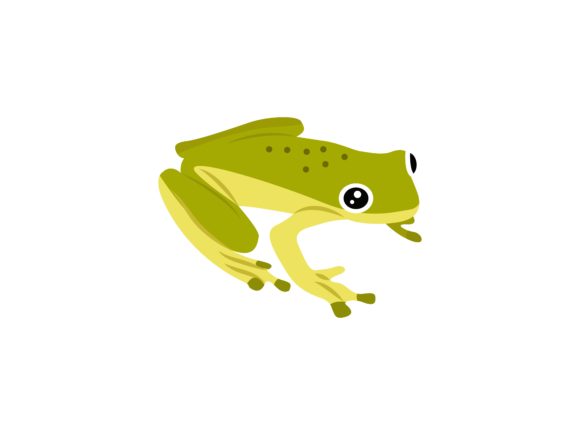
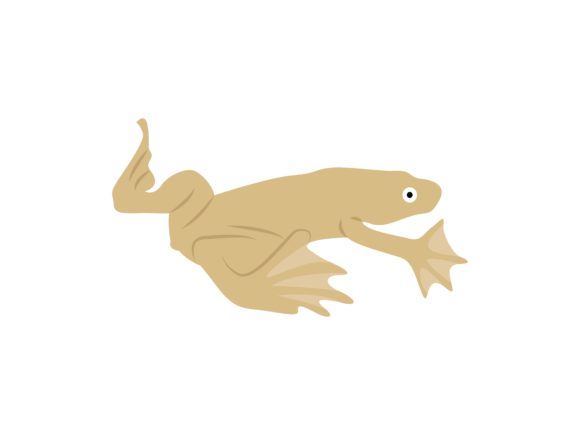
To appreciate the utility of the Pipa Pipa Frog Animal in design, one must first understand its physical form. Unlike the smooth, bulging eyes of a typical tree frog, the Pipa pipa is flat, leaf-like, and possesses a texture that reads as organic and slightly alien. Its wide, star-shaped head and tiny eyes give it an expression that is simultaneously stoic and mysterious. In an illustration format, these characteristics translate into a powerful silhouette. The flatness of the animal makes it an ideal candidate for sticker design and icon creation, as it sits comfortably within a frame without awkward protrusions.
When rendered as an animal illustration, the texture of its skin provides an excellent opportunity to play with shading and patterning. Whether you are working with a vector style that emphasizes clean lines or a more detailed digital painting approach, the Pipa pipa holds visual weight. It does not look "cute" in the traditional sense, which is often a strength in branding. Instead, it looks intelligent and ancient. This makes it a perfect fit for projects that require a touch of the avant-garde or the naturalist aesthetic. It moves away from the generic mascots often seen in children's education and offers a more mature, grounded visual for educational purpose materials or nature-focused branding.
Strategic Applications for Modern Creators
The versatility of the Pipa Pipa Frog Animal extends well beyond a single use case. Because of its distinct shape, it functions exceptionally well across various media. For the crafter and hobbyist, this image is a goldmine for DIY printing. Imagine the impact of a hand-made journal cover or a custom phone case featuring this distinct amphibian. It signals a personality that appreciates the weird and wonderful corners of the natural world.
For entrepreneurs and small business owners, particularly those in the eco-friendly, skincare, or botanical sectors, this design asset offers a unique branding opportunity. It can be utilized as a pattern element for packaging design, creating a repeat motif that is subtle yet intriguing. When used on T-Shirt Printing or Apparel needed for a merchandise line, the Pipa pipa stands out against the noise of trendy, overused graphics. It is a conversation starter, which is exactly what effective merchandise should be.
Furthermore, the availability of this asset in Ai, EPS 10, JPG, and PNG file formats provided ensures maximum flexibility for professional workflows. The vector files (Ai and EPS) allow you to scale the Pipa Pipa Frog Animal to billboard size or shrink it down for a favicon without losing quality. The PNG files, likely with transparent backgrounds, are essential for layering in social media graphics or web design mockups. This range of formats ensures that whether you are printing a massive backdrop or designing a digital invitation card element, the resolution and quality remain pristine.
Integrating the Pipa Pipa into Your Design Ecosystem
Successfully incorporating a subject as specific as the Pipa Pipa Frog Animal requires a thoughtful approach to the surrounding design elements. This is not a background character; it is a focal point. Therefore, the typography you pair with it matters immensely. Because the animal has an organic, somewhat textured appearance, pairing it with a clean, geometric sans serif font often creates a pleasing contrast. The modern, industrial feel of a sans serif can ground the wild nature of the illustration, making the overall design feel professional and intentional.
Alternatively, if you are aiming for a vintage naturalist vibe—think old biology textbooks or apothecary labels—a serif font with high contrast works beautifully. This combination evokes a sense of authority and timelessness. Avoid overly decorative script fonts or handwritten fonts that might compete with the intricate details of the frog’s skin texture. The goal is visual hierarchy; the image provides the "wow" factor, while the typography provides the information.
Practical Implementation for Print and Digital
When moving from concept to production, the Pipa Pipa Frog Animal behaves differently across substrates. In editorial design, such as magazines or blogs about exotic pets or biology, use the illustration as a standalone feature image. Its unusual shape breaks the monotony of rectangular photos, allowing text to wrap around its organic contours. This creates a dynamic layout that guides the reader's eye through the page.
For logo design, the Pipa pipa is a bold choice. It works best for brands that want to embody adaptability and uniqueness. However, for a logo, you may need to simplify the illustration. Reduce the detail in the skin texture to ensure the mark remains legible when embroidered on a polo shirt or printed very small on a business card. This simplification process is crucial for maintaining a strong brand identity across all touchpoints.
Finally, consider the psychological impact. In marketing, animals are often used to convey specific traits. The Pipa pipa is a devoted parent, carrying its eggs embedded in its back. This narrative can be leveraged in marketing for family-oriented businesses, parenting blogs, or educational organizations. It symbolizes protection and a unique approach to nurturing. By understanding the story behind the Pipa Pipa Frog Animal, you move beyond simple decoration and start using design to tell a deeper story. This asset is not just a picture of a frog; it is a tool for creating memorable, meaningful connections with your audience.