Designing with Nature: The Hesperiidae Butterfly Animal Illustration
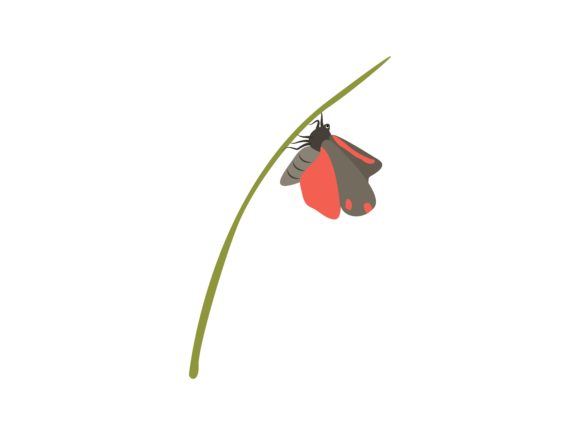
There is a specific energy that comes from capturing nature in vector art. It isn’t just about replicating the shape of a wing or the curve of an antenna; it is about bottling the fleeting movement of a creature and freezing it in a format that works for modern design. When we look at the Hesperiidae Butterfly Animal, we are looking at a design asset that bridges the gap between organic biology and commercial utility. This isn't a generic stock image; it is a stylized representation of the Lepidoptera family, known for their distinct, hooked antennae and rapid, darting flight patterns.
For the creative professional, the value of this illustration lies in its versatility. It serves as a bridge between the rigid geometry of modern typography and the fluid, unpredictable curves of the natural world. Whether you are a brand strategist looking to soften a corporate identity or a crafter designing a bespoke invitation suite, the Hesperiidae Butterfly Animal offers a visual language that speaks of transformation, delicacy, and precision. Because it is provided in AI, EPS 10, JPG, and PNG file formats, it is ready to be deconstructed, recolored, and integrated into a workflow without the hassle of converting low-resolution files.
The Aesthetic: More Than Just a Bug
Visually, the Hesperiidae family stands apart from the typical Monarch or Swallowtail. They are often referred to as "Skippers" because of their erratic flight style. This characteristic translates beautifully into illustration. You will often find that a well-designed Hesperiidae asset has a more robust thorax and wings that sit at a different angle than standard butterflies. This gives the design a sense of tension and readiness—a "coiled spring" aesthetic that adds dynamism to static layouts.
From a design perspective, this illustration acts as a versatile display font for imagery. Just as a bold serif typeface anchors a magazine cover, a detailed butterfly illustration anchors a composition. It draws the eye immediately. The visual "personality" of the Hesperiidae is intricate but not fussy. The line work required to render the scales and wing patterns demands high-quality vector nodes. If you are using this for logo design, the complexity of the wing patterns provides a sense of luxury and craftsmanship. It signals to the viewer that the brand cares about details.
However, the appeal isn't limited to luxury branding. The organic nature of the insect makes it a perfect counterpoint to sans serif font pairings. If you are working with a clean, geometric typeface like Helvetica or Futura, dropping a detailed Hesperiidae illustration into the header creates an immediate visual hierarchy. The organic curves of the wings break up the rigid verticals and horizontals of the text, making the layout feel more breathable and less clinical.
Strategic Applications: From Apparel to Editorial
Understanding where to deploy this asset is key to maximizing its value. We aren't just talking about slapping a butterfly on a t-shirt, though that is certainly a valid use case for apparel needed projects. The real power lies in using the Hesperiidae Butterfly Animal to solve specific design problems.
Branding and Identity
For businesses in the wellness, beauty, or sustainable goods sectors, this illustration is a goldmine. It can be used as a primary mark or a secondary "bug" (a small icon used to brand stationery or packaging). Imagine a high-end skincare line using a gold-foiled Hesperiidae on a matte black box. The illustration communicates natural ingredients and metamorphosis—perfect for skincare. When used in brand identity, consistency is vital. The vector file allows you to isolate specific parts of the wing to create patterns for packaging design, ensuring the brand language is cohesive across all touchpoints.
Digital and Editorial Design
In the realm of editorial design, specifically for magazines or blogs focusing on nature, gardening, or art, the Hesperiidae works as a powerful section break or pull-quote decoration. It adds a touch of modern typography flair without requiring a custom illustration commission. For web design, the PNG format with a transparent background is essential. You can layer it over hero images or use it as a cursor trail effect for an interactive user experience. It softens the digital interface, making a website feel more tactile and less sterile.
Craft and Physical Products
For the hobbyist or small business owner, the applications are tangible. The "DIY printing for your education purpose" aspect is huge. Teachers and educators can use these assets to create engaging worksheets or flashcards that hold students' attention better than standard clipart. For the entrepreneur, consider sticker sheets or die-cut decals. The silhouette of the Skipper is distinct enough to be recognizable even at small sizes, making it perfect for icon sets in mobile apps or UI dashboards. Furthermore, creating seamless pattern backgrounds for stationery or textile design is straightforward with vector art; you simply tile the illustration, rotate copies, and adjust the color palette to fit the season.
Technical Workflow and Design Strategy
Integrating a premium font or illustration into a project requires more than just placement; it requires strategy. When working with the Hesperiidae Butterfly Animal, consider how it interacts with your typography. If you are using a script font or handwritten font for a wedding invitation, the butterfly should not compete with the ascenders and descenders of the letters. Instead, use it as a frame. Place the illustration so that the wing tip guides the eye toward the text, rather than obscuring it.
For social media graphics, the illustration serves as a stop-scrolling mechanism. In a feed dominated by text-heavy quotes and flat photography, a high-contrast vector insect creates a focal point. It works exceptionally well in "dark mode" aesthetics—imagine a neon-colored Hesperiidae against a charcoal background. This fits the current trend of cyber-nature aesthetics popular in creative font and graphic design communities.
When evaluating the fit for your project, look at the line weight. Is it a thick, bold outline suitable for screen printing? Or is it a delicate, hairline stroke meant for letterpress? The versatility of the EPS 10 format means you can adjust the stroke weight in Adobe Illustrator to suit your production method. If you are designing a t-shirt printing graphic, you might thicken the lines to ensure they don't wash out over time. If you are designing a diploma or certificate, you might keep the lines thin and elegant to match a serif font like Garamond or Times New Roman.
The Final Polish: Quality and Cohesion
Ultimately, the decision to use the Hesperiidae Butterfly Animal comes down to the level of professionalism you want to project. In a crowded market, generic stock assets can cheapen a brand's perception. A detailed, high-quality vector illustration, however, suggests investment and care. It aligns with the principles of E-E-A-T (Experience, Expertise, Authoritativeness, and Trustworthiness) by showing that you have curated your visual assets with intention.
Don't be afraid to deconstruct the asset. Take a single section of the wing pattern and turn it into a background texture. Change the colors to match your specific font pairing palette. Use the silhouette to create a mask for a photograph. The files provided are not just pictures; they are raw materials. Whether you are building a brand from scratch, refreshing a blog layout, or printing a run of custom merchandise, this illustration offers a blend of scientific elegance and artistic flexibility that few other design assets can match. It brings the erratic, beautiful energy of the natural world into your digital and physical workspace.